
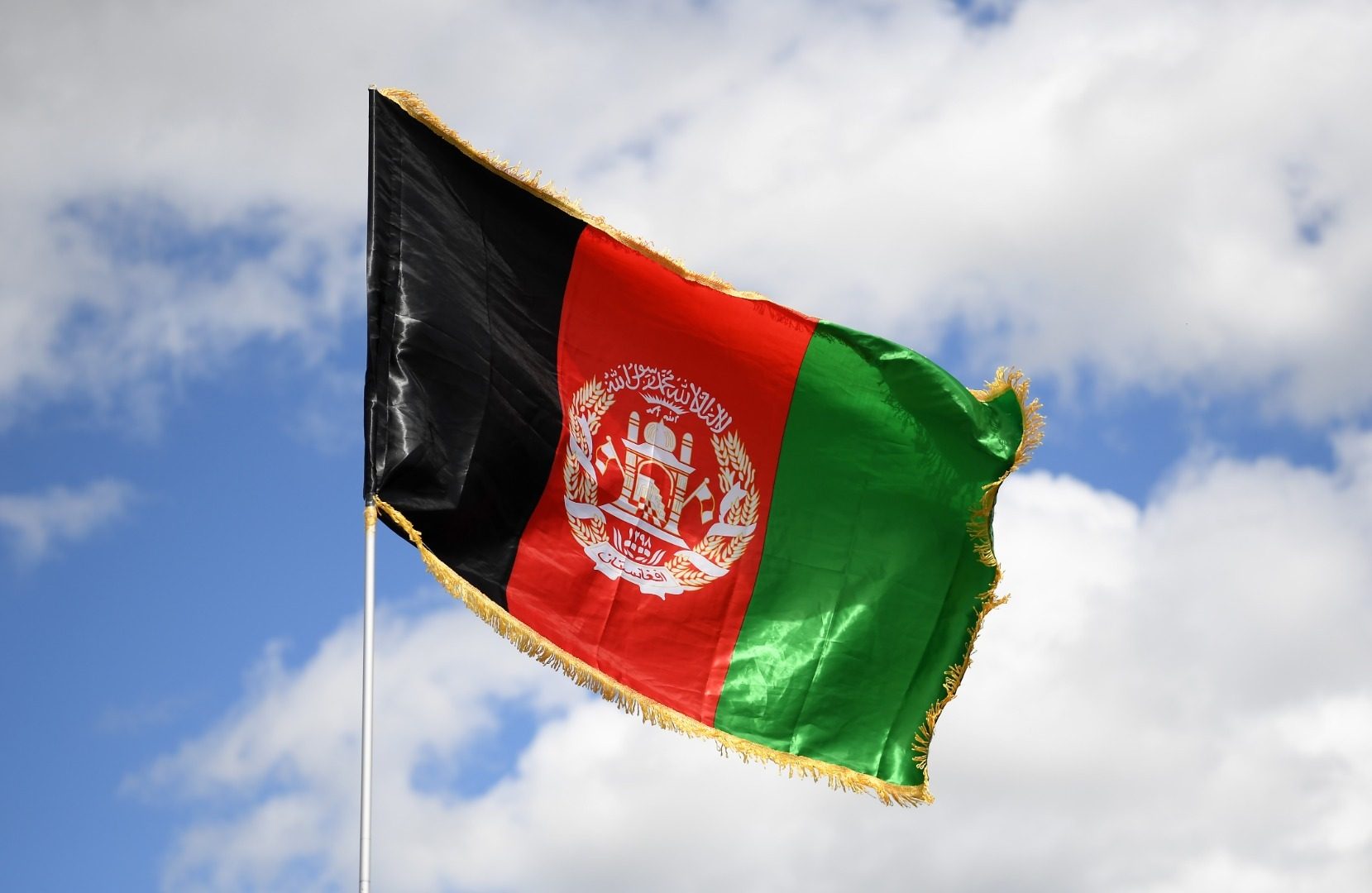
Sign a deal to play in a league run by the Afghanistan Cricket Board, whose chairman is appointed by the Taliban, and receive nearly £80,000. Or… stay at home.
More than that, players can choose not to legitimise a league aimed at promoting cricket in a country where the governing body is controlled by an organisation that forced its women's team to flee for fear of their lives. This week, three of the 14 English players who entered the draft initially went back on that decision following significant backlash.
Speaking on the Test Match Special podcast, Rob Key said: “Legally, it’s hard to stop players going over and playing these leagues. It becomes a moral judgement, and players have to be prepared to take the right moral stance.”
The ECB confirmed that it would issue No Objection Certificates to players wishing to feature in the APL. To some extent, that highlights the hypocrisy in its stance towards Afghanistan: refusing to play bilateral series against them, at no cost or detriment to itself, while still agreeing to face them at World Cups.
Nevertheless, as Key said, an NOC isn’t an instruction to go; it leaves the decision up to the players. If, in everyday life, people took guidance from institutions as their only moral compass, social norms would break down. It is up to individuals to decide, within the framework they have been given, what the right thing to do is.
To break down the information the players have to act on, since the Taliban returned to power in 2021, they have banned girls over 12 from attending school, banned women from leaving the house without a male chaperone, dismantled laws and mechanisms to prevent domestic violence and forced marriage, and banned women’s voices from being heard in public. Last year, the UN Women Chief of Humanitarian Action called the Taliban’s restrictions “an unprecedented assault on the rights, dignity and very existence of Afghan women and girls”.
It is against that backdrop that players will earn their salaries by participating in an attempt to mask the reality of that regime. These are players who earn significant sums playing in franchise leagues around the world. Moeen Ali, one of the players who signed up to the draft, has played in the CPL, PSL, Hundred, LPL, ILT20 and BPL in the last 12 months, netting £150,000 from his PSL deal alone, and £100,000 in The Hundred auction. If the difference between paying the bills and bankruptcy is a middling deal with the APL, a better accountant should be a priority.
Sporting competitions are promotional opportunities for advertisers, individuals, and nations. The revival of the APL, which aims one day to take place in Kabul but will be based in the UAE this year, is a sign to the international community that the government is stable and functional enough to run a franchise league. It presents cricket as a commercial opportunity to generate revenue, with overseas stars a key part of that. Significant moral dilemmas can arise over participating in leagues in several countries in this regard, but Afghanistan is the most clear-cut case of all.
The one positive aspect of those players facing no barriers to competing in the APL is that it has highlighted the hypocrisy of the ICC’s stance towards Afghanistan. Under its own rules, Afghanistan should not be afforded full membership, given that it has not only banned women and girls from playing cricket but has actively persecuted those who have. Yet, the men's team continue to play actively without sanctions.
An argument against a full-scale boycott is that refusing to play Afghanistan’s men’s national team would make no difference to the situation for the women being brutalised by the Taliban. Unlike the apartheid-era in South Africa, where sport was used to promote and legitimise white supremacy, Afghanistan’s national team is not being used in the same way. Clearly, that is enough for some to stomach facilitating a side effectively administered by the Taliban.
The players who have signed up for the APL draft, however, have gone one step further. The APL’s purpose, at least in part, is to promote Afghanistan as a functioning state with the infrastructure to support a franchise league. Any revenue generated may go towards developing grassroots cricket in Afghanistan - no girls, though - or it may go to the government itself or wealthy team owners who have profited from oppression. That is the choice those players have made.
Follow Wisden for all cricket updates, including live scores, match stats, quizzes and more. Stay up to date with the latest cricket news, player updates, team standings, match highlights, video analysis and live match odds.