
See more Toronto Sun on Google — save as a Preferred Source
Of all the characters in the world of fiction to conjure up fear, the one that has law enforcement and school officials on high alert is the Cat in the Hat.
Last month in West Kelowna, B.C., the CBC reported that someone dressed in a Cat in the Hat costume chased a teenager amid an online trend that puts a sinister twist on the children’s character.
The Nechako Lakes school district in B.C.’s central Interior was aware of the social media trend and asked community members to report the posts to police.
B.C. RCMP spokesman Staff Sgt. Kris Clark said police were aware of the trend, including a case in Fort St. James in the Nechako Lakes school district, as well as the West Kelowna incident on Aug. 24 that was described by police on Tuesday.
Clark said he was “not aware of any other events in B.C. RCMP jurisdictions.”
Not isolated incidents
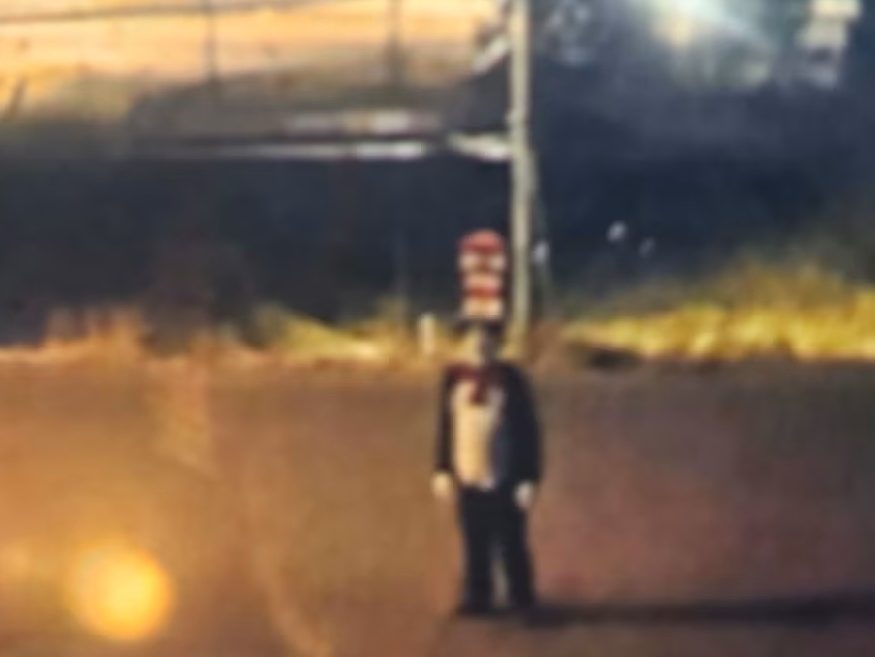
An AI-generated image of the life-sized Dr. Seuss character is seen to be lurking outside homes, walking darkened streets and staring into open windows. In most cases, the videos are set at night, the ominous themes paired with threats, warnings and menacing captions.
According to the website, Police1.com, the trend has gripped certain portions of the United States prompting increased police patrols, school lockdowns and arrests in several states.
In Florida, the St. Johns County Sheriff’s office has increased its presence around school campuses with posts tied to local schools.
“(We are) aware of and investigating the ‘Cat in the Hat’ social media content involving St. Johns County Schools,” the sheriff’s office said in a post. “At this time, no credible threats have been identified.”
In a second Florida case, the Citrus County Sheriff David Vincent addressed the trend on social media.
“We have received multiple reports about posts featuring an AI-generated image of the Dr. Seuss character, the Cat in the Hat,” Vincent said. “Thes images depict threatening images directed at students and school campuses, and understandably many parents, students and staff members have contacted us seeking clarification. Our team has thoroughly reviewed each report and at this time none of these incidents have found to be credible.”
Several arrests made
Police in Premont, Texas warned that these types of pranks or hoaxes “could lead to charges such as terroristic threat or false alarm or report under Texas law, depending on the circumstances.”
“We want to remind parents and students that using a social media trend, fake account, AI-generated content, or “prank” to make or communicate a threat is not a joke,” the Premont Sheriff’s office said in a post. ” Threats involving a school, student, staff member, or other person will be taken seriously and investigated.”
Several teenagers in the U.S. have been arrested in relation to this theme, with charges ranging from terrorizing/menacing to cyberbullying and making written threats to kill.
According to Police1.com, the trend seems to have originated in Ireland and the United Kingdom eariler this summer, where the meme caught fire on TikTok, Snapchat and other social media sites in the U.S.
ganderson@postmedia.com