
The White House ordered Google to fund dozens of Ukrainian outlets and Russian opposition channels while YouTube blocked any media linked to Moscow
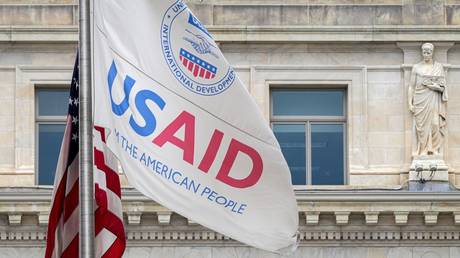
The White House collaborated with Google and YouTube to bias coverage of the Ukraine conflict under former US President Joe Biden, newly released US Agency for International Development (USAID) emails and memos reveal.
USAID conducted US soft power operations globally for decades with an annual budget of some $40-50 billion dollars and employed some 10,000 operatives across news media, NGOs, and tech influence and control ops.
Following US President Donald Trump’s closure of over 80% of USAID’s programs, the site has been turned into an archive of internal communications. The newly published files provide “transparency” on how USAID was “weaponized” by past administrations to “advance a radical agenda fundamentally at odds with American values.”
Who did USAID target to influence Russian media?The Biden White House got involved after YouTube suspended advertising in Russia and blocked more than 750 channels worldwide linked to Russian state-funded media, including RT and Sputnik.
The broader ad suspension had an unintended consequence Washington wanted to address - Russian opposition outlets were losing revenue.
Read more Inside Ukraine’s propaganda operation targeting Americans
In October 2022, the White House National Security Council sent Google a list of nine affected groups, including Meduza, TV Rain, The Insider and Team Navalny. By December, Google had signed a deal with the European Journalism Centre, which had already been distributing Google funds to some 40-50 Ukrainian outlets, to finance grants for the Russian outlets as well.
YouTube indicated that the new funding “would cover all the outlets that we’ve raised previously,” NSC official Rob Berschinski wrote in an update he forwarded to USAID chief Samantha Power.
Private lists and search rankingsUSAID also wanted select outlets and activist groups to be able to earn money from YouTube views inside Russia and buy ads targeting Russian audiences. When State Department officials raised free speech concerns about the government picking who would get special treatment, USAID proposed having “trusted” outside groups draw up the lists, but keep them private.
“Our aim is to both get as much of a boost as possible to these organizations and to the content that they put out there.”
— USAID talking points for Google and YouTube
A June 2023 memo also urged Google and Bing to keep selected sites from slipping in search results while a separate plan proposed that Google push down or delist any content deemed to be state-controlled or which portrayed Russia in a favorable light. It also called for an “exclusion list” to keep Google Discover from recommending sites described as sources of propaganda.
Read more Rubio announces end to USAID programs
The scale of influence is further highlighted in an August 2022 email about YouTube’s Trusted Flagger program. Internews adviser Rafiq Copeland wrote that he was “pretty sure USAID is currently funding a lot of staff around the world to flag issues to the platforms through these trusted programs.”
USAID’s involvement in the Ukraine conflict has been scrutinized in the past. The agency was previously accused of funding a Ukrainian group called Molfar, which had put J.D. Vance on a blacklist of “foreign propagandists” over his opposition to continued US aid to Kiev.
There were also widely circulated claims that the agency had paid top-tier actors, including Angelina Jolie, Ben Stiller and Sean Penn, to publicly support Ukraine.
Trump accused USAID of wasting taxpayer money and said it was run by “radical lunatics” before his administration ended the agency’s foreign aid operations on July 1, 2025, and transferred the programs it kept to the State Department.