
I spent over two decades as a music journalist chasing bylines in Rolling Stone, GQ and many other outlets, and I told every editor who’d listen, “If you ever assign me a Dolly Parton interview, I’ll happily hang up my rock critic shoes.”
Her songs have been part of the soundtrack of our lives, and we’ve been hearing them on repeat forever. Sadly, that assignment never came, and Dolly has always been the one who got away. So, I write this not as someone who knew or met her, but instead as a fan who adored her, first as a critic with a tape recorder I never got to use, and now as someone who spends my days thinking about what her reputation meant to her legacy.
I’ve watched the news of her passing unfold the way most of you probably have: scrolling, rereading tribute after tribute and appreciating the people she inspired – both personally, like I’d once dreamt of, and from afar. There’s a particular kind of grief in losing someone who felt like family to millions of people who never met her. And as it turns out, you didn’t have to own a single Dolly record to feel that loss, because Dolly was far more than a country music icon. She was an American legend: unapologetically and authentically herself.
Reflecting on her life from both of my vantage points, as music critic and reputation building communications counselor, I’ve noticed that the industry often sorts stars into “artist” or “brand,” as if those are competing categories. But Dolly broke that mold, spending 70 years steadily proving that it’s not one or the other.
Music press often gets a bad rap for treating “brand” as a slightly dirty word when it’s applied to an artist, as if commercial savvy somehow dilutes creative legitimacy. But Dolly never bought into that premise, and I’ve come to believe she was right. She understood something that the communications industry still sometimes struggles with — earlier, and more completely, than almost anyone in entertainment: authenticity isn’t the absence of strategy. Sometimes authenticity is the strategy.
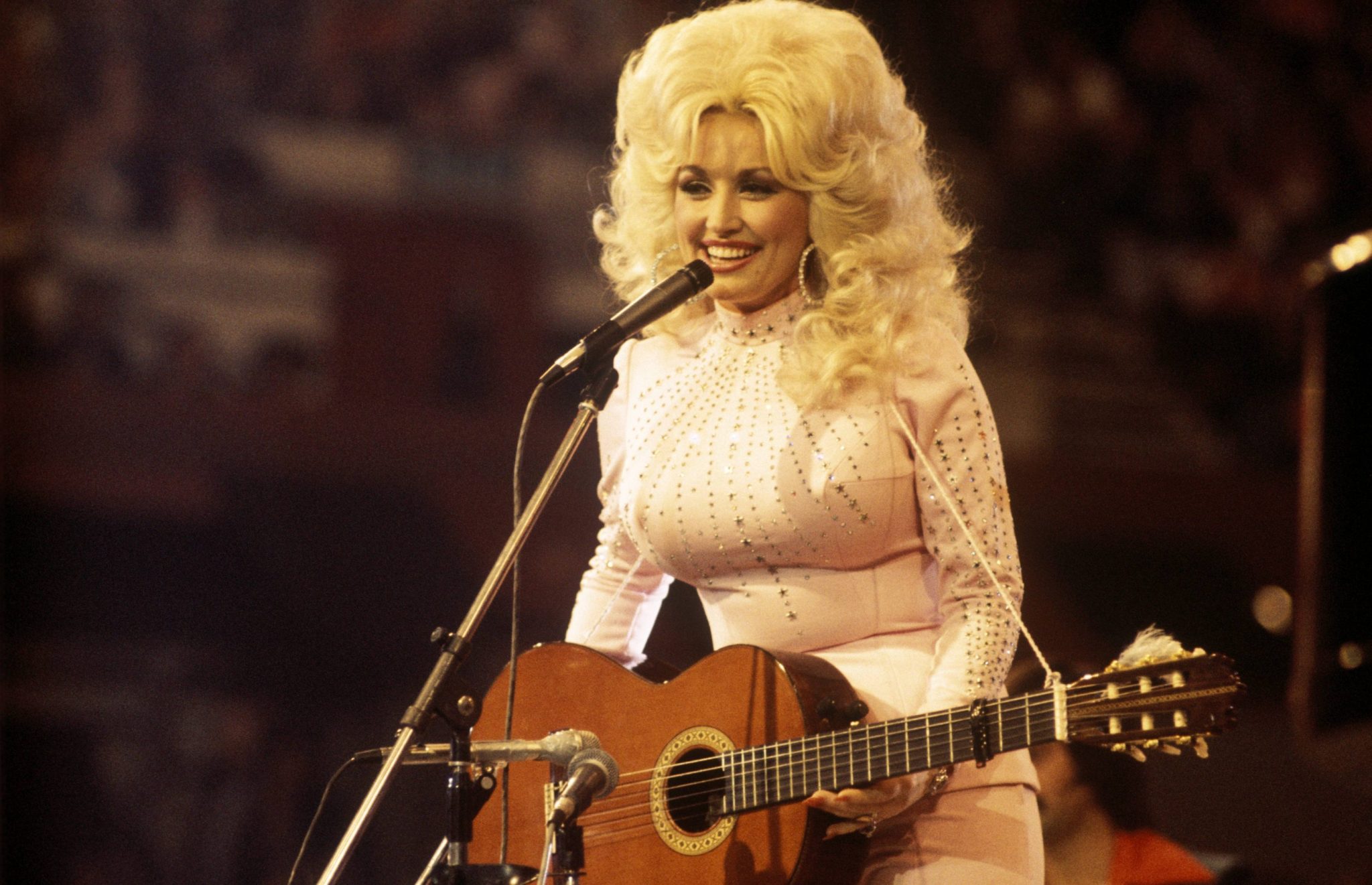
Consider what she built: ownership of her songwriting catalog at a time when almost no one could ask for that (she famously turned down an Elvis Presley cover because his manager demanded half the publishing). A theme park bearing her name that outlasted every skeptic’s prediction. A visual image featuring her hair, rhinestones, and voice, made so consistent for six decades that a silhouette alone could identity her. It wasn’t by chance. Talented people — and we don’t need to debate how much talent Dolly had — understand instinctively or deliberately that being true to yourself is the realest way to build reputation on purpose, over time and in ways that are easy to defend.
Here’s the paradox at the center of it: Dolly looked like someone who had invented herself, while somehow never seeming invented. She said it in her own words better than any brand consultant ever could: “I look totally artificial, but I am totally real.” It was her coat of many colors: a lifetime operating philosophy, and it’s why her brand never felt like a performance. The persona and the person were the same load-bearing wall.
So, there’s a lesson in there for every founder, every executive, every artist trying to figure out how much of themselves to show the world. I’ll admit, I’m still learning this trick myself. Caution has its place. Brands and people alike have real reasons to protect themselves, to think before they speak, but it’s about finding the right balance and being true to your core values. Dolly understood that. In fact, she was shrewd about her business long before she was sentimental about it, which is why her sweet spot allowed her to create an empire and still bare her soul. And for us, that meant falling in love with her music and laughing at her wit along the way.
Perhaps that’s why her passing has touched so many of us. We didn’t just lose the Queen of Country; we lost our one true American Girl. Dolly was indivisible. The one legend nobody could disagree about, no matter your beliefs or your background. She refused to make herself smaller to fit anyone’s expectations of what a brand, or what she, was supposed to be.
I never got my Dolly feature. But after watching her build one of the most enduring reputations of our lifetime, I realize I got something much better: a master class in how authenticity, when deliberately and consistently lived, can become a legacy. And that’s a song we’ll be playing on repeat for a very long time.
The opinions expressed in Fortune.com commentary pieces are solely the views of their authors and do not necessarily reflect the opinions and beliefs of Fortune.
This story was originally featured on Fortune.com