
See more Toronto Sun on Google — save as a Preferred Source
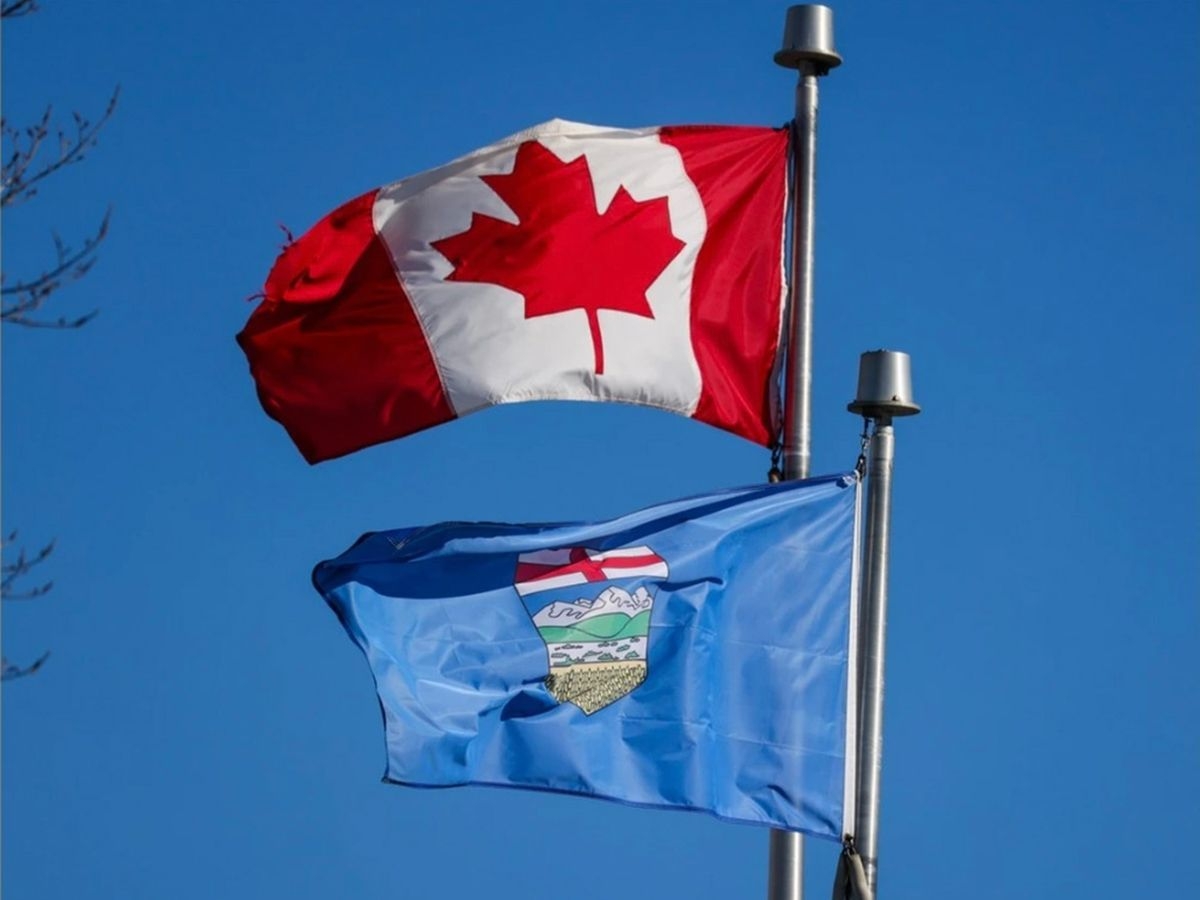
If the polls are accurate, it looks like those favouring the “remain” option will prevail in Monday’s referendum in Alberta on whether to stay a part of Canada or begin the legal process to hold a referendum on separation.
They predict about 70% of Albertans support the “remain” option, 20% favour wanting to start the process for holding a binding referendum on separation, with the rest undecided.
That said, this is not the time for complacency in the rest of Canada.
Leaders of the separatist camp have already vowed to continue their campaign regardless of the outcome of the vote, with advance polling now under way.
Given that, Prime Minister Mark Carney would be wise to continue to address the root causes of economic frustration in Alberta, which drives the separatist movement there.
Federal-provincial agreement on the new Pacific Link pipeline from Alberta to tidewater in B.C. is a good start — provided it actually gets built.
But there are still federal laws on the books that frustrate Alberta’s — and Canada’s — energy sector, including the tanker ban and the impact assessment act (aka the “no pipelines act”) even with Carney’s goal of creating a “one project, one review, one year” process for approving major energy and other infrastructure projects.
There’s been a great deal of commentary so far on what separation could cost Albertans — up to $170-billion over the first five years under a worst-case scenario, according to a recent University of Calgary study commissioned by the Alberta government.
- Carney to Alberta in Thanksgiving message: Please don't go
- EDITORIAL: Treat Alberta like Quebec to counter separatism
Severe economic damage
But, as noted by the Fraser Institute, severe economic damage would also occur across the Canadian economy as well.
The fiscally conservative think tank points out Alberta’s contribution to federal taxes saves Canadian taxpayers in other provinces about $1,000 a year.
That’s because Alberta’s net contribution to federal finances from 2007-08 to 2026-27 is projected at $321.9 billion.
That’s the amount Albertans contribute to federal revenues and national programs above what they receive in federal transfers and other federal spending.
Alberta’s net contribution is nearly four times British Columbia’s ($87.8 billion) and more than five times Ontarian’s ($59.6 billion).
The other seven provinces are net recipients of federal transfers and revenues.
That’s why a strong Alberta economy creates a strong Canadian economy as well.