
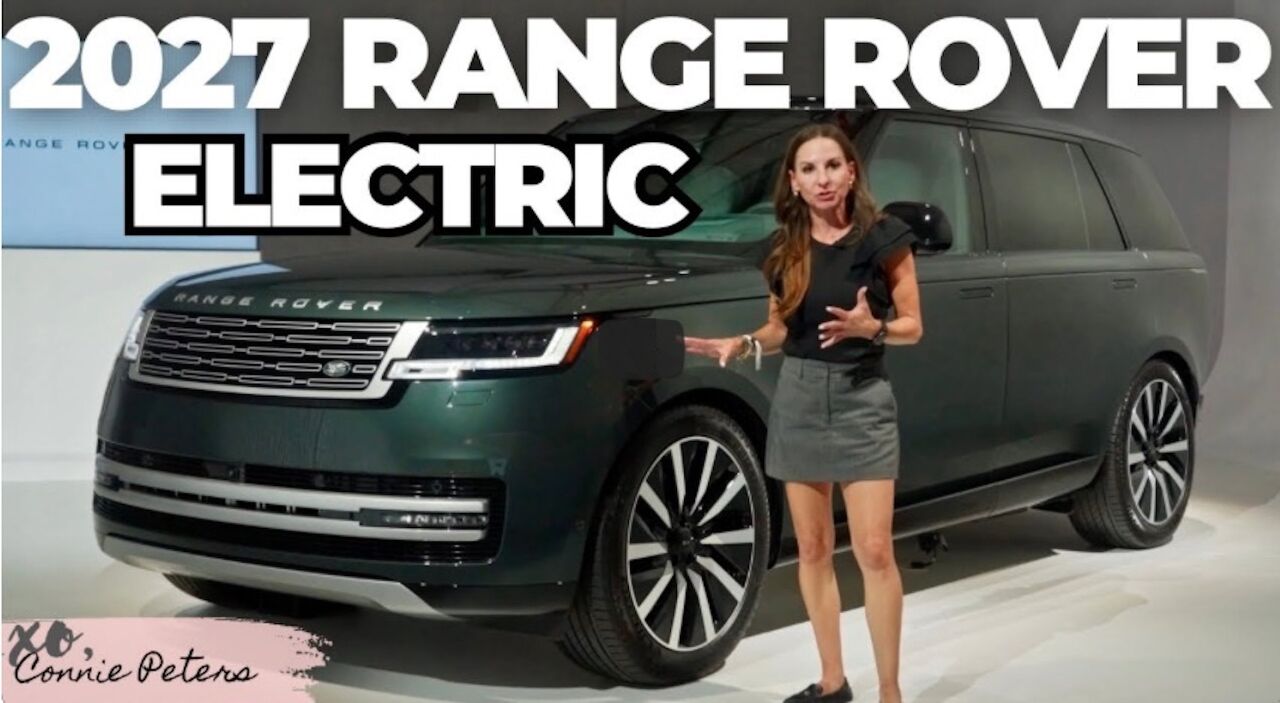
The Range Rover Electric is here for 2027! I had the chance to take it off road on their proving grounds in the UK as well as will be driving it more in Scotland next month, so come back! Thoughts??
Connie Peters explores the design and technical capabilities of the 2027 Range Rover Electric. The review highlights the vehicle's off-road performance, innovative cabin features, and the introduction of the new SV Ultra trim, demonstrating how the SUV maintains traditional luxury while transitioning to an all-electric powertrain.
The TTAC Creators Series tells stories and amplifies creators from all corners of the car world, including culture, dealerships, collections, modified builds and more.
A transcript, summarized by AI and edited by a staffer, is below.
[Image: YouTube Video Thumbnail]
Become a TTAC insider. Get the latest news, features, TTAC takes, and everything else that gets to the truth about cars first by subscribing to our newsletter.
Summary
The 2027 Range Rover Electric represents Land Rover's effort to bring full electric power to its flagship luxury SUV without sacrificing the styling, refinement, interior space or off-road capability that define the Range Rover brand. During a demonstration in the UK, the presenter explores the electric model's performance, luxury features, off-road technology and the new SV Ultra trim.
Electric Powertrain and Performance
One of the most notable aspects of the 2027 Range Rover Electric is how closely it resembles its gasoline-powered counterparts. Land Rover has made very few visual or practical compromises in converting the SUV to electric power. It retains the familiar Range Rover design, interior dimensions and cargo capacity.
The electric Range Rover produces approximately 550 horsepower (550 PS) and 800 Nm of torque, delivering a zero-to-60-mph time of just 4.3 seconds. Its estimated driving range is 531 kilometers, or approximately 330 miles.
The front electric motor is located under the hood, meaning there is no front trunk (frunk). However, the placement of the electric drive components allows the vehicle to maintain the same interior and cargo space as conventional Range Rover models.
Charging capabilities include access to Tesla's global Supercharger network, along with other charging providers through an integrated app and Plug & Charge functionality. In North America, Shell is identified as one of the charging network partners.
Exterior details distinguishing the electric version include:
- An aerodynamic grille design.
- Dedicated EV wheel caps.
- Special aerodynamic wheels.
- Subtle styling changes that identify it as an electric model without dramatically altering the Range Rover's appearance.
Interior Luxury and Practicality
Land Rover has worked to ensure that the electric powertrain doesn't diminish the Range Rover's traditional luxury or practicality.
The rear cargo area retains the same capacity and signature clamshell-style tailgate found in other Range Rover models. Features include adjustable air suspension, power-folding rear seats and a luxury leather privacy cover.
The overall interior design and materials remain consistent with the brand's established approach to comfort and refinement. The goal is to make the electric Range Rover feel like a traditional Range Rover rather than a compromised EV adaptation.
Off-Road Capability
A significant portion of the demonstration focuses on proving that the electric Range Rover can handle demanding off-road conditions.
The vehicle tackles steep inclines, uneven terrain, challenging rock crawls and substantial side-to-side angles. Its lower center of gravity and revised suspension geometry contribute to improved stability compared with the V8-powered Range Rover.
The electric model features a roll center approximately 10 centimeters lower than the conventional V8 version, helping it remain composed when traversing steep slopes and uneven surfaces.
For particularly difficult terrain, the driver selects a dedicated Rock Crawl program. Unlike conventional off-road vehicles that rely on a low-range transfer case, the electric Range Rover uses its electric powertrain and electronic controls to manage torque delivery and traction.
The instructor guides the driver through a challenging rock-crawling section, demonstrating the vehicle's ability to maintain controlled movement over obstacles.
Driver Assistance and Terrain Management
The Range Rover Electric incorporates several electronic systems designed to make off-road driving easier and safer.
Hill Descent Control allows the driver to remove their feet from the accelerator and brake pedals while the vehicle automatically manages its speed down steep slopes. The system takes priority over regenerative braking when activated.
Different terrain programs adjust throttle response and vehicle behavior depending on conditions.
For example:
- Rock Crawl: Provides controlled power delivery for negotiating difficult obstacles.
- Mud and Ruts: Adjusts vehicle responses for slippery, uneven surfaces.
- Grass, Gravel and Snow: Reduces throttle sensitivity to prevent excessive torque from overwhelming available traction.
The presenter also demonstrates an interesting feature: Hill Descent Control can help the vehicle descend backward if it cannot successfully complete an uphill climb. This provides a useful safety net when drivers encounter obstacles they cannot overcome.
New SV Ultra Trim for 2027
The final portion of the presentation introduces the new SV Ultra trim, which will be available on the electric Range Rover, plug-in hybrid and V8 versions.
The SV Ultra adds distinctive exterior details and an even more luxurious four-seat interior.
Exterior highlights include:
- A new Titan Silver paint finish incorporating aluminum flakes for a sparkling appearance.
- Satin Platinum grille surrounds and exterior badging.
- New forged wheels with Satin Platinum detailing.
- Updated Range Rover wheel-cap badges.
- Exclusive SV Ultra identification.
The interior is where the SV Ultra makes its biggest impression.
The four-seat configuration features an especially luxurious rear passenger environment with reclining lounge seats, extending footrests, folding tables and a built-in refrigerator with a dedicated bottle holder.
One of the most unusual features is Land Rover's Body and Soul seating technology. The seats incorporate sound and vibration technology that responds to music or the vehicle's wellness programs. Transducers in the floor also allow rear passengers to feel the music through vibrations.
Additional interior features include:
- Orchid White sustainable leather upholstery.
- Unique seat patterns.
- Heated and ventilated seating.
- Open-pore wood trim.
- White ceramic accents.
- A white headliner.
- Digital rearview mirror.
The combination of white upholstery, ceramic detailing and natural wood creates a bright, spacious and exceptionally upscale cabin.
Overall Takeaway
The 2027 Range Rover Electric appears designed to deliver the benefits of electrification without changing the fundamental Range Rover experience. Its approximately 330-mile driving range, nearly 550 horsepower, rapid acceleration and sophisticated charging capabilities make it a compelling electric luxury SUV.
More importantly, it retains the cargo capacity, passenger comfort and serious off-road capabilities expected of the brand. The demonstration also highlights how electric power and advanced electronic terrain management can work together to provide impressive off-road performance.
The new SV Ultra trim takes the luxury experience even further, adding an exceptionally elaborate four-seat rear cabin with lounge seating, a refrigerator, Body and Soul technology and exclusive materials.
The central message: Land Rover isn't trying to reinvent the Range Rover for the electric age. It's attempting to make an electric Range Rover that feels, looks and performs like a Range Rover in every important respect.