
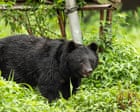
Bears killed 13 people in Japan last year, as a lack of forest foods increased conflicts. Yet some say the country’s controversial cull could threaten the endangered species
Every summer, millions of people escape the heat and humidity of Tokyo by heading to the tranquil resort town of Karuizawa in Japan’s Nagano prefecture – just an hour by bullet train from the capital. Here, at the foot of Mount Asama, visitors stroll bamboo-lined pathways, cycle in verdant highlands, and practise the wellness ritual of shinrin-yoku, bathing among the cool hinoki forests. It would be the ideal nature retreat – if it wasn’t for the bears.
From June to August, bears often move close to Karuizawa, feeding on the mulberries, ants, leaves and cherry blossoms that grow near the town. Unlike nuts, these foods are low in calories, spurring the bears to seek out further sustenance. “They’re more likely to get close to residential spaces to see what they can find,” says Amelia Hiorns, a British zoologist who previously worked with Picchio Wildlife Research Centre in the town. “This combines with the busiest season for tourists.”
Continue reading...