
See more Toronto Sun on Google — save as a Preferred Source
We’re all protectionists now.
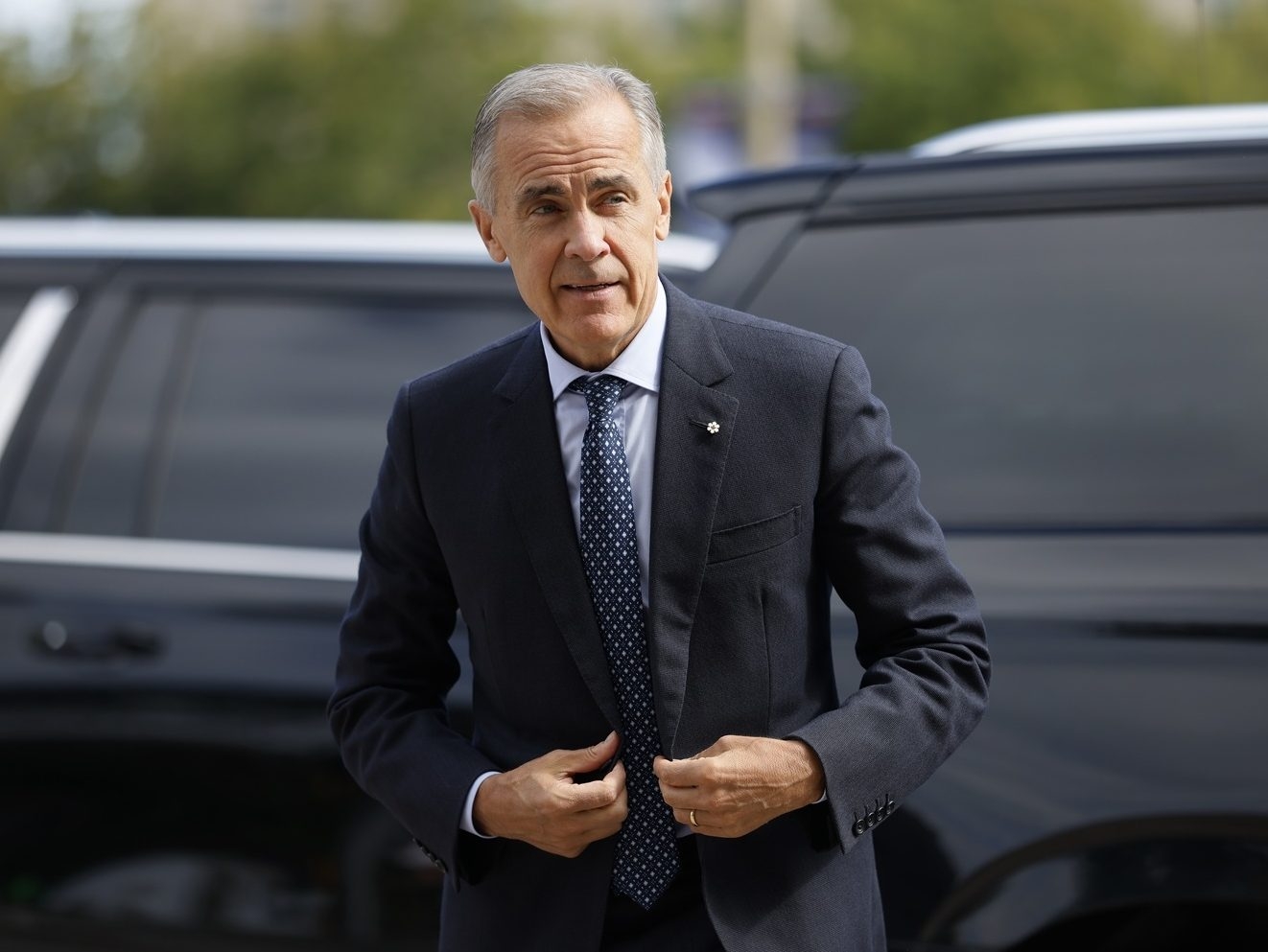
That’s one takeaway from Prime Minister Mark Carney’s multibillion-dollar investment announcement in Thunder Bay on Thursday. Carney stood in the Alstom rail plant there to announce the government would spend $4.7 billion to help Via Rail acquire 313 new, made-in-Canada rail cars.
The turn to protectionism isn’t new; it’s been a feature of our response to Donald Trump’s tariffs from the start.
On the one hand, we’ve had the prime minister and various premiers denounce the U.S. president’s tariffs as foolish protectionism and call for them to be overturned. On the other hand, we’ve seen the resurrection of our own instinct to shield domestic industries.
Other leaders following suit
While our elected leaders still call for an end to American protectionism, they continue to build their own walls.
“To remain competitive and foster economic resilience, Canada must reinforce its domestic industrial base and mitigate risks associated with supply chain disruptions and trade diversion,” said the Carney government’s new Buy Canadian Policy.
Across the country, provincial and municipal governments have enacted their own “buy Canadian” or “buy local” policies.
Ontario Premier Doug Ford, who used to extol the virtues of free trade within North America, has given directives to ensure Ontario government contracts look to Ontario suppliers first, Canadians second and then the rest of the world. These policies, which have shut out American companies from Canadian government contracts, have become one of the major irritants raised by the American side, along with provincial booze bans.
RECOMMENDED VIDEO
Building our own walls
At his Thunder Bay announcement, Carney was asked about returning to the negotiating table with the Americans and while he didn’t rule it out, he did say that Canadians need to realize things have changed .
“We need to understand the change that the U.S. has made, the fundamental change it’s made in its tariff policy and commercial policy. So, it’s not a question of going back to what was,” he said.
Indeed, the deal that Canada walked away from would have included tariffs at some level, even if lowered from current levels. There is no going back at this time to the zero-tariff world when it comes to key exports like steel, aluminum and autos.
“The most important thing we can do is not to spend all our time waiting by the phone, waiting for a call, looking at, refreshing on social media to see what’s coming across,” Carney said.
Pressure building in Washington
Despite Carney’s call for moving ahead, despite Trump blasting Canada yet again on social media and talks collapsing, there is the possibility of a breakthrough sooner rather than later.
On Wednesday, a number of Republican members of Congress, many from border states, had dinner at the White House with the president. While publicly backing Trump’s tariffs, many have privately acknowledged the trade war is hurting their border communities.
They’d like to see a resolution well ahead of the midterms. That was the message the same group of politicians took to U.S. Trade Representative Jamieson Greer in an earlier Thursday meeting. Greer is said to have a sympathetic ear; the view of Trump isn’t known.
What is clear is that businesses on both sides of the border are urging elected leaders to get back to the bargaining table. The North American economy has been integrating for decades and a return to the protectionist past that politicians are now preaching isn’t good for business and it won’t be kind to taxpayers.
- LILLEY: Carney's Liberals romp in byelections while pressure mounts on Poilievre
- LILLEY: Trudeau judge strikes down Ford’s bail crackdown