
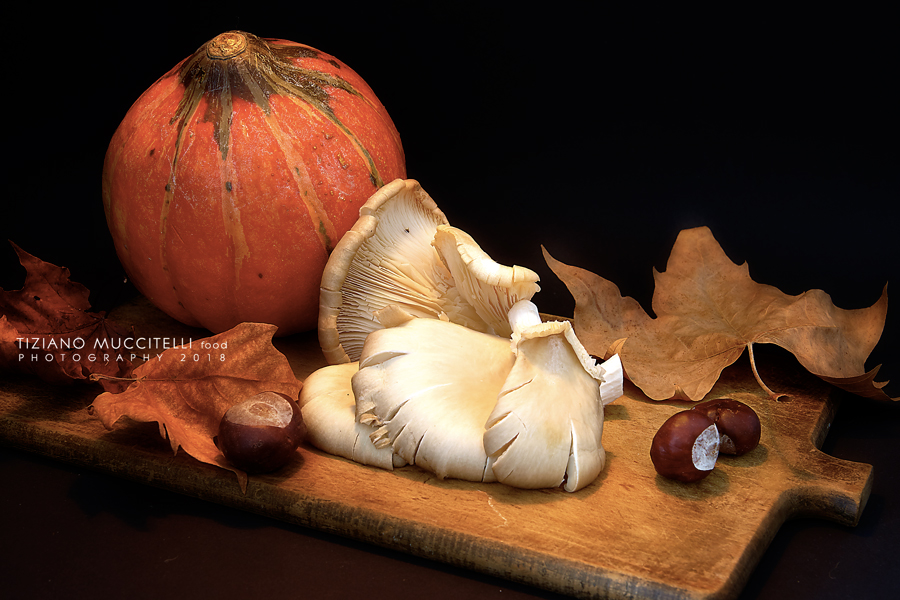
As the weather cools, food takes on a different role. It becomes comfort, ritual, and a reason to gather. Soups simmer, bread comes out of the oven, and tables fill with people for holidays and long dinners. Seasonal food photography captures more than what’s on the plate. It captures warmth, abundance, and the feeling of a shared table. With harvest celebrations and holidays approaching, it’s one of the most rewarding subjects of the season, and you don’t need a studio to do it well.
What makes seasonal food photographs workThe best seasonal food photography tells the viewer when and why, not just what. A bowl of soup is a bowl of soup. A bowl of soup with steam rising, a knit sleeve at the edge of the frame, and rain on the window behind it is November. Props, light, color, and human presence create context that turns a dish into a moment.
Color plays a big role. Autumn and winter food is rich in deep orange, burgundy, brown, and gold: squash, root vegetables, spices, braises, baked goods. These tones pair naturally with warm light and dark, textured surfaces.
Light: soft and directionalFood looks best in soft, directional light, usually from the side or slightly behind. Side light reveals texture, like the crust on bread or the grain of a cut vegetable. Backlight makes liquids glow and picks out steam and glossy sauces. A large window works perfectly. Turn off overhead lights, which mix color temperatures and flatten the scene.
Short November days mean less window time. Plan to shoot at lunch or in the early afternoon rather than at dinner, or set aside a portion to photograph before serving. If you have to shoot at night, a single lamp diffused through a sheet of paper and placed to the side can mimic window light.
Angles that suit the dish OverheadFlat lays work for tablescapes, boards, pies, and anything with a strong graphic shape from above. They’re ideal for showing a full spread or a table mid-gathering.
Forty-five degreesThis is the angle a diner sees. It suits bowls, plated meals, and dishes with some depth.
Straight onBest for tall food: layered cakes, stacks, sandwiches, and drinks in glasses. It shows height and layers that disappear from above.
Choose the angle that shows the dish’s most defining feature, not the one you default to.
Styling without overstylingSeasonal food photography benefits from a lived-in look. Crumbs, a torn piece of bread, a spoon resting in the bowl, a napkin casually folded. These imperfections signal that the food is real and meant to be eaten. Add a few seasonal elements, like whole spices, a sprig of rosemary, or raw ingredients from the recipe, but keep them relevant to the dish. Props should support the food, not compete with it.
Work quickly with anything hot. Steam fades within a minute, herbs wilt, and sauces form skins. Set up your frame, light, and props with a stand-in plate first, then bring in the real dish and shoot.
Bring people into the frameSeasonal meals are social. Hands reaching for a dish, pouring a drink, passing plates, breaking bread. Including people, even partially, adds warmth and narrative. At holiday gatherings, shoot the moments around the food: preparation in the kitchen, the table being set, the aftermath of empty plates and lingering conversation. These often tell the story of a meal better than the plated dish itself.
Capturing the feelingGreat seasonal food photography makes the viewer want to be there. Not just to taste the food, but to sit at the table, feel the warmth, and share the moment. Focus on light, texture, and context, and let the season’s rich colors and rituals do the rest.
The post Seasonal Food Photography: Capturing Comfort, Warmth and Gathering appeared first on 500px.