
Standing in the White House Rose Garden, President Donald Trump declared April 2, 2025, would be now known as “Liberation Day.” That day, he announced tariffs on imports from nearly every country on earth, and promised “jobs and factories will come roaring back” to the U.S.
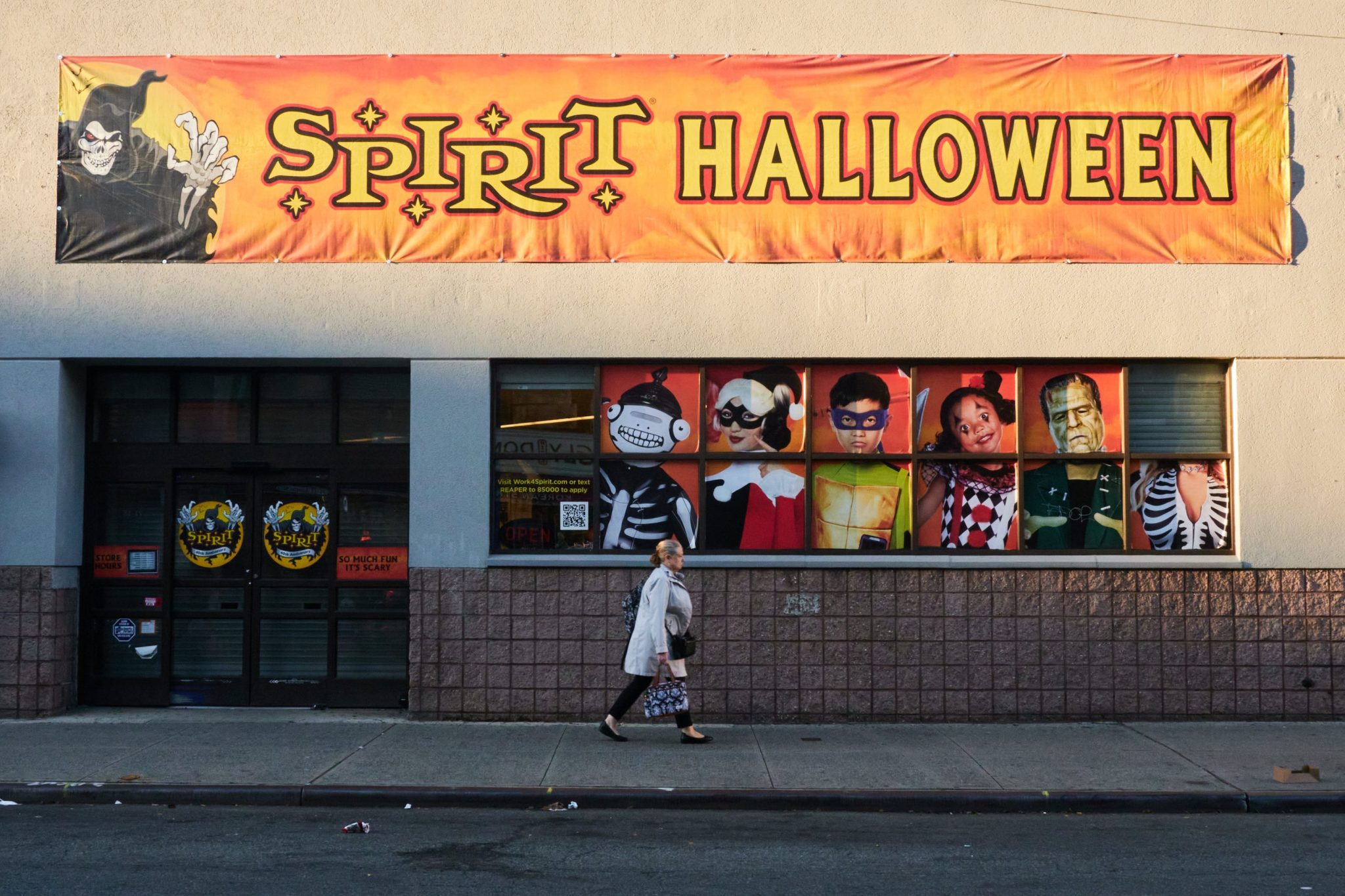
Within days, after China retaliated, the U.S. tariff on Chinese goods rose to 145%. The increase came just as Spirit Halloween’s goods began shipping from Asia.
“This was going to put us out of business,” Steven Silverstein, CEO of Spirit’s parent company, Spencer Spirit Holdings, told Fortune.
Silverstein said the tariffs were worse for Spirit than COVID. In March 2020, every Spencer’s store closed just as Spirit was choosing locations and signing leases for the fall. The company decided to go ahead with Halloween anyway and opened all of its stores that September. In spite of all that went down that year, he said the business has more than doubled since 2019.
Steven SilversteinBut the tariffs were harder because they hit in the middle of shipping season. “They were implemented immediately without giving business the opportunity to really react in any kind of logical way,” he said. “We were being ripped around like a yo-yo.”
About 75% to 80% of Spirit’s merchandise is designed and sourced by the company, mostly in Asia, and it moves on a tight schedule through distribution centers and 63 third-party logistics sites before reaching more than 1,550 stores, a process Silverstein says runs all year.
“It skyrocketed right in the middle of our shipping season,” he said. “Every day is critical to us.” Spirit had to stop the ships. A group of executives set up what Silverstein called a war room.
“You start burning the furniture,” he said. “You have to preserve your cash.”
The company suspended all capital spending and cut costs across its teams. Silverstein called a meeting of the whole company.
“I said, look, this is going to be really rough seas, but this is what we’ve got to do to get from here to there,” he said.
On May 12, the U.S. and China agreed to cut the tariff to 30%. Spirit restarted shipping, but its goods were six weeks behind. Silverstein restored everything the company had cut.
Spirit didn’t raise prices to cover the tariffs.
“I thought it would be irresponsible, if nothing else,” he said. “All we do is Halloween. Without knowing what the outcome would be, that could be really dangerous. And so we ate the tariffs.”
To make up for lost time, Spirit hired even more workers, not fewer. Stores opened about two weeks to two and a half weeks late—but even then, Silverstein said it was the company’s best year ever.
Steven Silverstein at a Spirit of Children event.Steven Silverstein The Spirit of ChildrenSilverstein said critics see a chain that rents empty stores for a few weeks as opportunists.
“They’re carpetbaggers,” he said, describing that view. “They just come in, they occupy and then they go away, and they take their circus on the road. We don’t think of ourselves that way at all.”
In 2006, three years after he became CEO, Spirit threw a Halloween party for children in a hospital, with costumes, music, and art supplies. It started with eight hospitals in New Jersey, where the company is still based today.
“These kids lit up,” he said. “They got into their Spider-Man costume, and they were Spider-Man.”
Steven Silverstein at a Spirit of Children event.Steven SilversteinThe company later added fundraising at the register so shoppers can round up their purchase or add a fixed donation, and all of the money goes to the child life department at a local hospital. That pays for staff, playrooms and therapy beyond medical care.
So far, Spirit of Children has raised more than $164 million since 2006, at an average of about $1.25 per donation, Silverstein said.
“This is a story of microphilanthropy,” he said. “You take millions and millions of people, and you give a little amount each.”
Silverstein said the program is one reason seasonal workers return.
“When I speak to associates, why are you coming back to Spirit? Because I love Spirit of Children so much,” he said.
This year, the program’s 20th anniversary, Spirit aims to raise $20 million.
“Every year it grows,” Silverstein said. “I think we’re going to get there.”
This story was originally featured on Fortune.com