
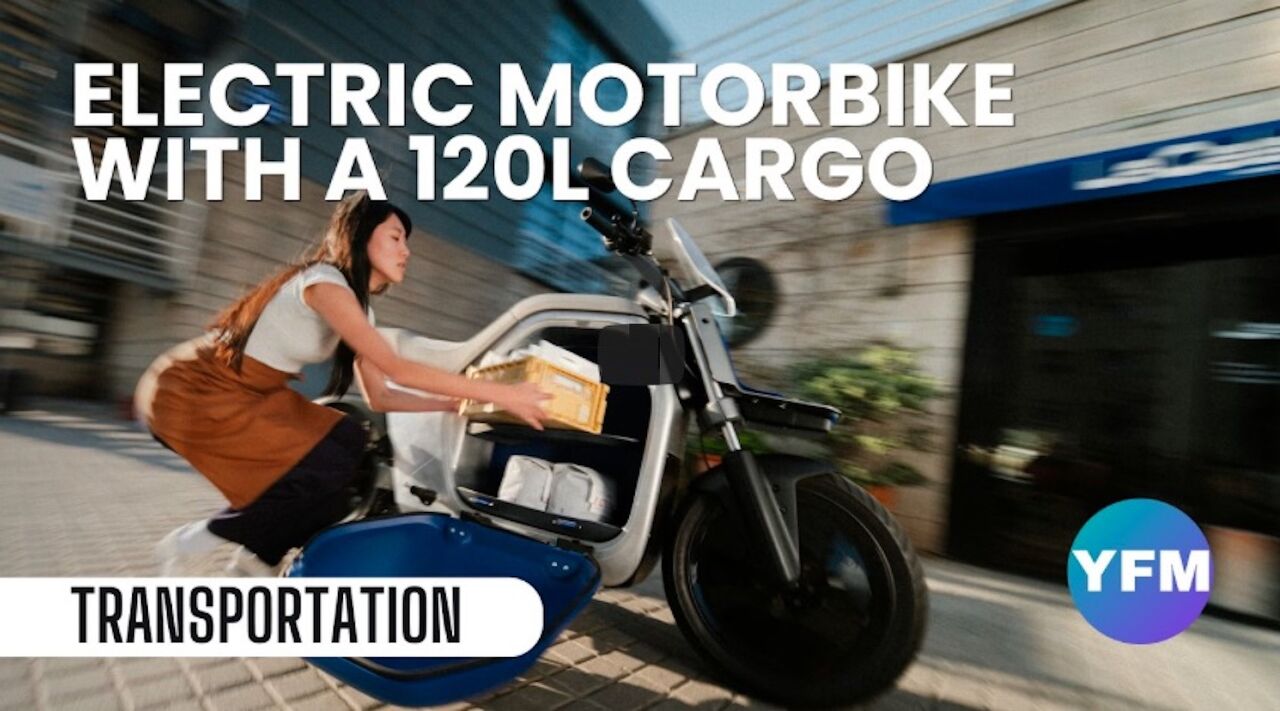
The LUV1 is a fully electric two-seater with 120 liters of lockable cargo storage built right into the frame, designed to carry two helmets, groceries, or even your dog. With a 6.5 kWh swappable dual-battery system, 100–140 km (62-87 miles) of range, and a top speed of 100 km/h (62 mph), it handles daily commutes and weekend errands without compromise.
The TTAC Creators Series tells stories and amplifies creators from all corners of the car world, including culture, dealerships, collections, modified builds and more.
A transcript, summarized by AI and edited by a staffer, is below.
[Image: YouTube thumbnail]
Become a TTAC insider. Get the latest news, features, TTAC takes, and everything else that gets to the truth about cars first by subscribing to our newsletter.
Summary
The Any Love One is a fully electric, two-seat utility motorcycle designed around a relatively simple concept: maximizing cargo capacity while providing practical, affordable transportation for urban commuters. Rather than dedicating most of its frame space to a traditional gasoline engine, the Love One incorporates a substantial, integrated storage compartment.
Design and Cargo Capacity
The Love One's biggest selling point is its unusual approach to motorcycle practicality. It features 120 liters of lockable storage built directly into the frame, positioned low and centrally to improve weight distribution.
The storage compartment can accommodate:
- Two motorcycle helmets.
- Groceries and everyday shopping.
- Other travel essentials.
- Even a small dog.
The cargo compartment measures 58 x 55 x 55 centimeters and supports a payload capacity of 110 pounds, in addition to carrying two riders.
Electric Powertrain and Performance
The Love One uses a rear hub-mounted electric motor producing 11 kW of peak power. Its performance specifications include:
- Top speed: 100 km/h (62 mph).
- Acceleration: 0–31 mph in 4.1 seconds.
- Battery: 6.5-kWh capacity.
- Estimated range: 62–87 miles.
- Electrical architecture: 72-volt platform.
The battery consists of two removable packs, allowing owners to charge them using a standard 220-volt household outlet. Charging takes approximately 2.5 to four hours.
Although it isn't designed for high-performance riding, its acceleration and top speed make it suitable for everyday commuting and urban transportation.
Chassis, Equipment and Technology
The Love One features an aluminum die-cast frame, tubeless tires and disc brakes at both the front and rear.
Its riding modes include:
- Eco.
- Normal.
- Curb Assist.
- Reverse.
The reverse gear is particularly useful given the motorcycle's substantial integrated cargo capacity, making it easier to maneuver in confined spaces when fully loaded.
Additional equipment includes a digital LCD display, full LED lighting, keyless starting and a USB charging port. An optional smartphone app provides telematics functionality and over-the-air software updates.
Licensing and Availability
The manufacturer compares the Love One's performance and classification to a traditional 125cc gasoline motorcycle. It is intended for use on urban roads, highways and dirt roads in most applicable markets.
Licensing requirements vary by country. In most European Union markets, an A1 motorcycle license is sufficient, while Spain and Italy require a B automobile license.
Pricing starts at €8,500, equivalent to slightly more than $9,000 at the time of the presentation. Final pricing will depend on configuration.
First customer deliveries are expected in the fourth quarter of 2027.
Overall Takeaway
The Any Love One takes a different approach to electric motorcycle design. Rather than emphasizing speed, range or sport-bike performance, it focuses on everyday usefulness.
Its 120-liter integrated storage compartment, two removable batteries, relatively quick charging and two-passenger configuration make it an interesting alternative to conventional scooters and small motorcycles.
The biggest potential appeal is for urban commuters who need something more practical than a traditional motorcycle but don't necessarily want a car. With a starting price above $9,000 and deliveries not expected until late 2027, its eventual success will depend on pricing, real-world range and how well its unusual cargo-focused design works in everyday use.
The bottom line: The Love One isn't trying to be the fastest electric motorcycle. It's trying to be one of the most useful, turning an often-underutilized motorcycle frame into a practical electric transportation and cargo solution.