
If you thought like most of us that the Battle of Gettysburg was the end of the significant fighting in the American Civil War — you’d be gravely mistaken. If you thought that the only sitting US President who took enemy fire in a Battle was George Washington or Teddy Roosevelt, unfortunately that it not correct either.
Michael Thomas Leibrandt explains.
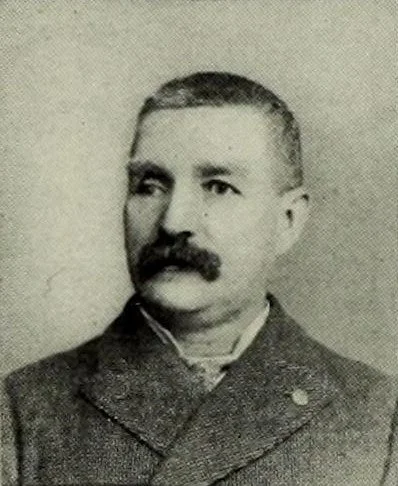
Sergeant William J. Wray. Source: Public domain, Another Group of Heroes, available here.
During the summer of 1864 with both Richmond and Petersburg under siege, both Grant Union Army and Robert E. Lee’s Army if Northern Virginia were skirmishing around Maryland. One of Lee’s commanders who has been present at Gettysburg (General Jubal Early) began to move north directly threatening Washington DC.
He engaged Union forces in a two-day battle at Monocacy Creek — where Federal Forces under Major General Lew Wallace were defeated and ultimately retreated back towards Baltimore — leaving the route to the American Capital open.
Among the approximately seventy earthen forts helping to depend Washington DC in 1864 were Fort Derussy, Fort Reno, and Fort Stephens. But the Pennsylvania 6th Corps who also contributed to a Union victory at Gettysburg would reinforce the capital. The Confederate Army would begin their attack at Fort Stephens — less than five miles from the White House.
President Abraham Lincoln was used to being in dangerous situations. In 1861 — he was moved to Washington for the inauguration in secret by train. Just a year earlier, he was the target amid a shot that rang out while he was riding on a regular trip to the soldier’s home. As the Confederate Army approached Washington — Lincoln and his family were evacuated from their cottage retreat. One day later — both he and Mary Todd Lincoln rode to Fort Stephens to observe the fighting.
Climbing onto the parapets — President Lincoln and his stove-top hat came in range of Confederate Sharpshooters. A surgeon behind him was struck in the shoulder. According to legend — a young Oliver Wendell Holmes Jr. who would later become an Associate Supreme Court Judge under the Roosevelt Administration — screamed toward President Lincoln to take cover. Moments later — Secretary of War Edwin Stanton quickly ushered Lincoln away to safety.
The next day — Early withdrew after Fort Stephens was reinforced by more Federal forces. Union forces subsequentlycleared the peach orchard in front of Fort Stephens of Confederate sharpshooters and artillery. Among the defenders from Philadelphia were the 98th Pennsylvania Volunteer Infantry which was also at Gettysburg. Philadelphian Sergeant William J. Wray of K Company even earned the Medal of Honor for his role in rallying troops.
Several notable quotes came from the engagement including a Federal soldier who was heard to have said, “Jubal Early should have attacked earlier in the morning, but Early was late.” General Early also made the famous remark, “We didn’t take Washington, but we scared Abe Lincoln like Hell.”
Enjoyed the piece?
Join thousands of history readers getting occasional updates on new blog posts, books, and video releases — plus a free history book to get you started.
Join History Is Now here
Michael Thomas Leibrandt lives and works in the Philadelphia Suburbs.