
- In today’s CEO Daily: A ‘sustainable’ sailing league takes off.
- The big leadership story: Cisco CEO urges workers to keep up with AI-powered change.
- The markets: Mostly up amid optimism that the U.S. and Iran may end their standoff.
- Plus: All the news and watercooler chat from Fortune.
Good morning. Building a sports league is tough. The XFL failed twice. The Alliance of American Football folded after eight weeks. LIV Golf filed for Chapter 11 bankruptcy earlier this month, burning through $5 billion without ever turning a profit. So when Oracle chairman Larry Ellison and champion yachtsman Russell Coutts set out seven years ago to turn high-speed sailing into “the world’s most sustainable and purpose-driven global sports and entertainment league,” skepticism was high. But SailGP has crossed $200 million in revenue and seen team valuations grow 10x to $70 million in the past five years as investors and brands start to gravitate to what’s been called F1 on the water.
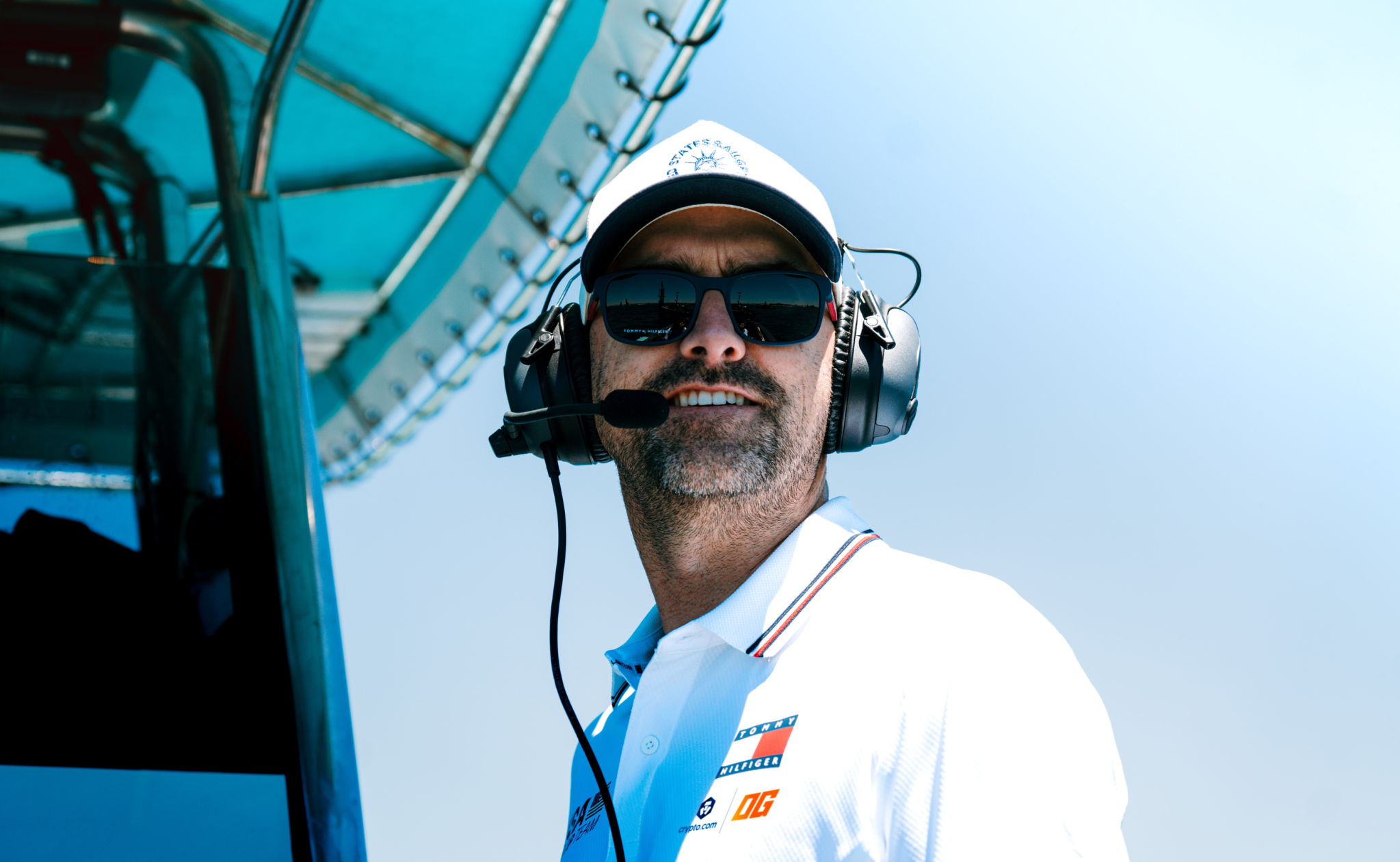
For Mike Buckley, a two-time world champion sailor who is now team principal, CEO, and co-owner of the United States SailGP team, the question is how to grow from here. I’ve spoken to Buckley twice in recent weeks. The first time was at an Uncharted “Fame to Fortune” event in the Hamptons that drew athletes, dealmakers, creators, and the kind of breezy affluent crowd that I associate with, say, the America’s Cup. In that setting, it felt natural to talk about building a brand around a sport played by top athletes on high-tech boats in some of the world’s most exotic coastal cities. When your team boasts co-owners like Issa Rae, DeAndre Hopkins, DJ Khaled, Kayvon Thibodeaux, Marc Lasry, Gary Vaynerchuk, Carolyn Tisch Blodgett, and Tommy Hilfiger, and your rivals are backed by the likes of Ryan Reynolds and Anne Hathaway, the Paramount+ docuseries Uncharted (no relation to the event) sounds easy to pitch.
This week, I spoke to Buckley again at our annual Climate Week dinner, sponsored by Deloitte. This time, I was curious about what it takes to be sustainable and purpose driven. Nobody wants a Debbie Downer on deck, moaning about plastic waste and biodiversity loss as you’re whipping across the water at 60 mph. Where’s the fun in that? As Buckley pointed out, Ellison’s goal is to “create the best sporting league in the world.”
Buckley thinks sustainability is core to the sport, noting that “our playing field is the ocean” and success is about harnessing nature to navigate. That said, he sees it less as a cause than a foundation for what the team is doing. “When I started pitching any CEO or CMO that would take a meeting, probably five to eight years ago, I led with sustainability. I would just get laughed out of every room I went into because there has to be a business case.”
What draws 22 million people to tune in for the races is the mix of characters, excitement, and technology. “Our boats have vertical airplane wings on them, the largest airplane wing in the world,” he said. “We’re starting to see ships put these vertical wings on top of them to save money on fuel. That’s a pretty cool engineering feat to come out of our sport. And we’ve got all the biggest AI companies contacting us to access the data because it’s so complex. They think that they can use it to solve oil and gas issues.”
And as in Formula 1, the key to success is to make an elite sport feel accessible. “I grew up with a single mom that worked three jobs. I never met my dad, and we were usually behind in rent, but when I got into sailing in my teens, it changed my life,” Buckley said, pointing to the team’s partnerships with groups like Hudson River Community Sailing, which brings underserved New York City kids onto the water for class credit. The way to protect the oceans and coasts, he argues, is to expose people to a sport that showcases their beauty.
Contact CEO Daily via Diane Brady at diane.brady@fortune.com
This story was originally featured on Fortune.com