
Volvo says it might bring back the wagon. That alone should perk up the ears of anyone who's spent the last decade watching the brand bulldoze its lineup into an all-SUV monoculture. The Swedish automaker has confirmed 13 all-new models by the end of 2030, and not every one of them will be a crossover.
Of the 13, seven are earmarked for Western markets including Europe and North America. The remaining six? Reserved for China. Volvo calls this "the largest and most ambitious global product push in its 99-year history," which is the kind of line that gets written when profitability is soft and market share needs doubling — both of which Volvo states as goals here.
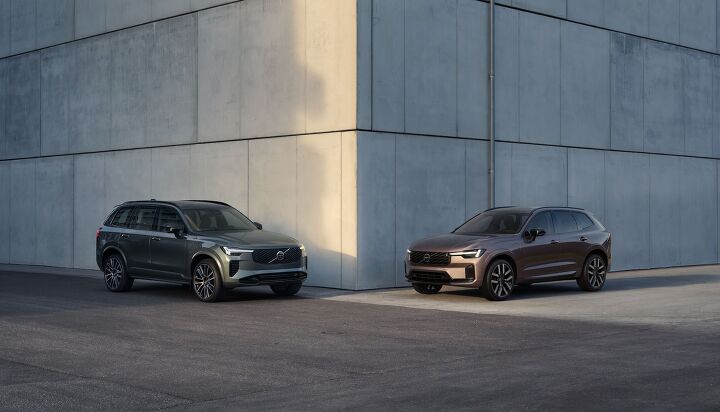
These are genuinely new vehicles. Not the recent round of facelifts that gave the XC40, EX40, EC40, and XC60 a refresh. Volvo also just rolled out a new plug-in hybrid setup for the XC60 and XC90 with up to 124 miles (200 km) of EV-only range, enough that some owners may go months without touching gasoline.
Volvo confirms the future lineup will include cars in new segments. Expect surprises. Possibly a return to wagons — a bodystyle North America keeps begging for and rarely receives. A new concept car arrives in 2027 to preview the evolved styling language, penned under Thomas Ingenlath, who returns as Chief Design Officer after seven years running Polestar.
Western-market models will ride on SPA2 (EX90, ES90) and SPA3 (EX60) architectures using the HuginCore computing platform. Chinese models get shared platforms and a market-specific tech stack co-developed with parent Geely. According to Volvo, the plan is to push component commonality across Geely Group vehicles from today's 10 percent to as much as 30 percent by 2030.
CEO Hakan Samuelsson put it plainly. "Our showrooms will look very different in 2030," he said, with the aim of becoming "the leading premium car brand." His four pillars: "regionalized product offerings, leadership in electrification, unique synergies with Geely, and complete customer offers that goes beyond the car alone."
EVs lead the charge. Third-generation hybrids follow, aimed at buyers not yet sold on going fully electric.
[Images: Volvo]
Become a TTAC insider. Get the latest news, features, TTAC takes, and everything else that gets to the truth about cars first by subscribing to our newsletter.